

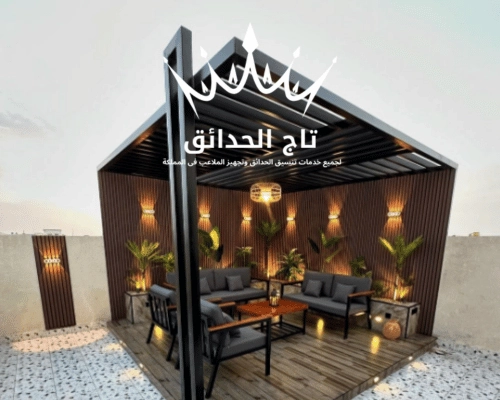
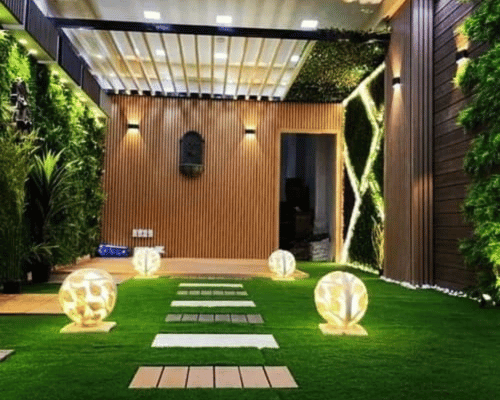
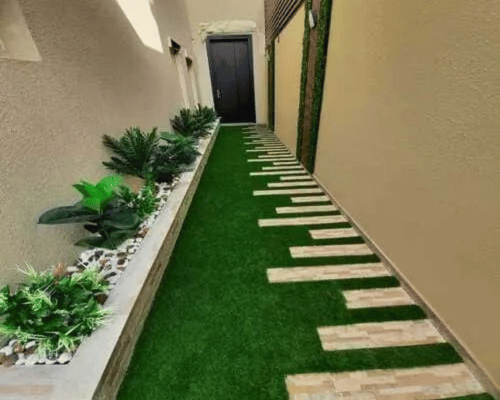
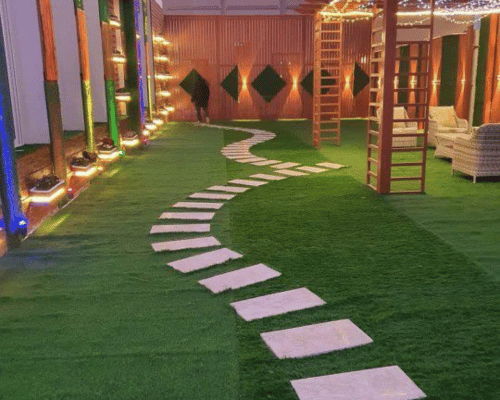










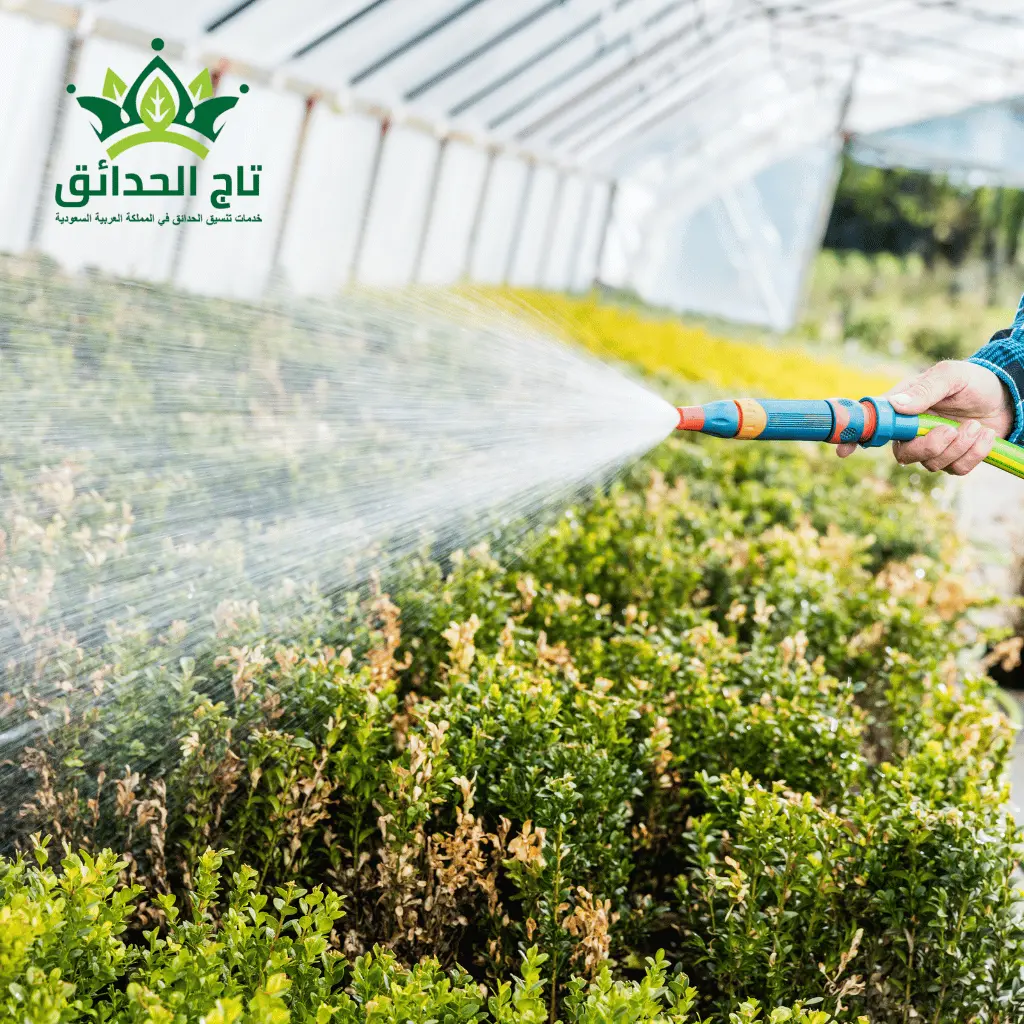
المسؤول عن الحدائق يختلف حسب نوع الحديقة ومكانها:
- الحدائق العامة
- البلدية أو الأمانة: في السعودية، مثلًا، أمانة منطقة الرياض مسؤولة عن الحدائق العامة، صيانتها، وريّها، وزراعتها.
- شركات الصيانة والتشغيل: تتعاقد معها البلديات للعناية بالحدائق والمسطحات الخضراء.
- الحدائق الخاصة (الفلل والمنازل)
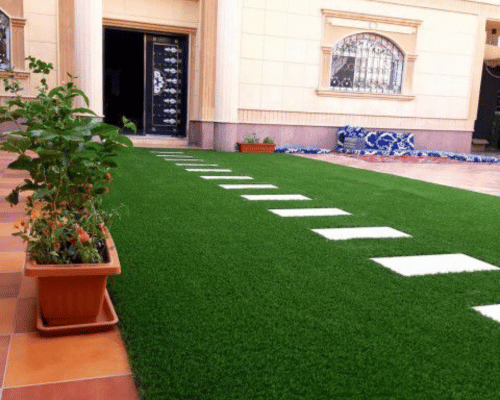
- مالك العقار: هو المسؤول عن العناية بالحديقة أو التعاقد مع شركة متخصصة.
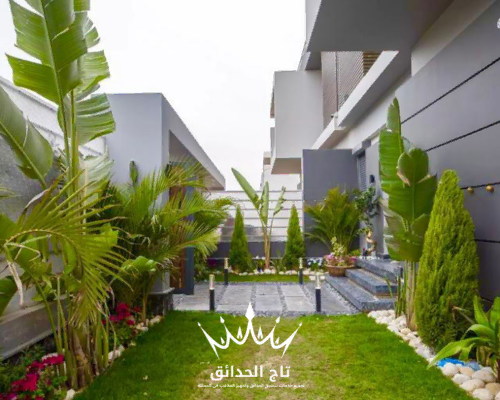
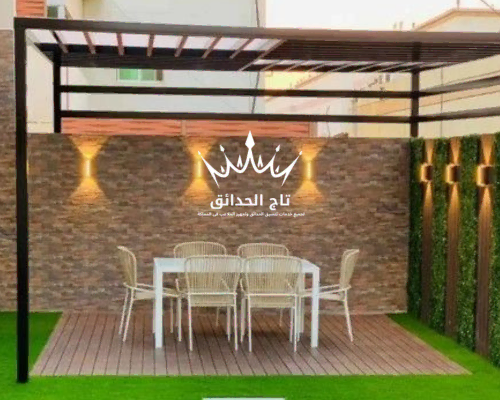
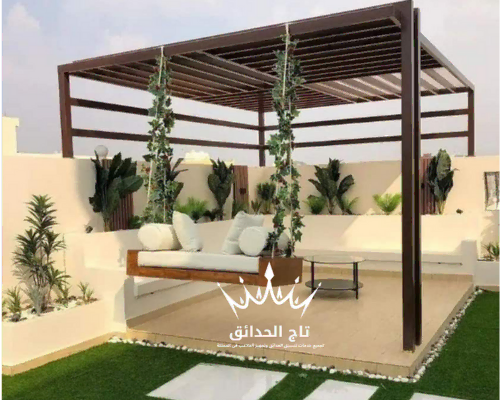
- شركات تنسيق الحدائق: مثل شركة تاج الحدائق، تقوم بتصميم وصيانة الحدائق المنزلية حسب الطلب.
- حدائق المجمعات السكنية والمباني التجارية
- إدارة المجمع: تتعاقد مع شركات لصيانة الحدائق والمسطحات الخضراء.
- الحدائق في الفنادق والمنتجعات
- إدارة الفندق: تهتم بجمال الحديقة لضمان راحة الزوار، وغالبًا تستعين بشركات تنسيق حدائق محترفة.
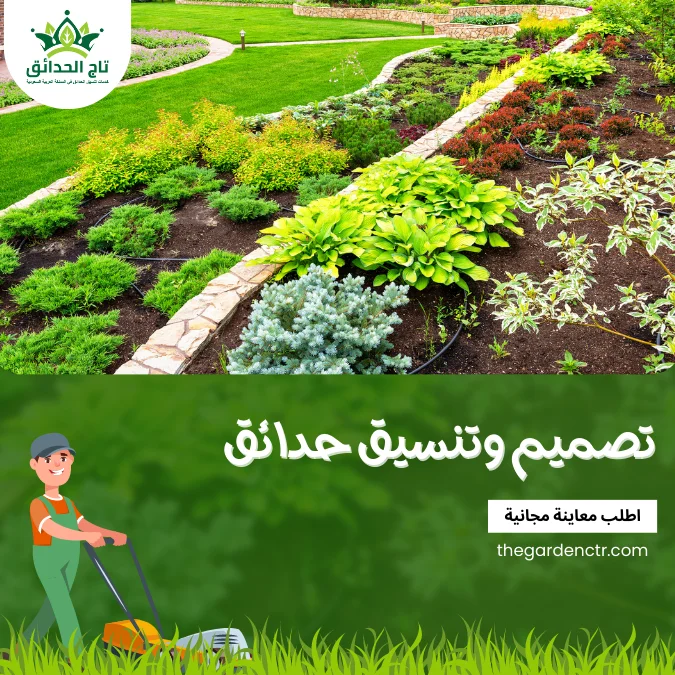
تنسيق الحدائق هو فن وعلم تصميم المساحات الخضراء بطريقة منظمة وجمالية لتحقيق الراحة البصرية والوظيفية. يشمل تخطيط وتوزيع النباتات، الأشجار، والمسطحات الخضراء بطريقة تتناسب مع المساحة المتاحة وتلبي احتياجات المالك أو المكان.
عناصر تنسيق الحدائق:
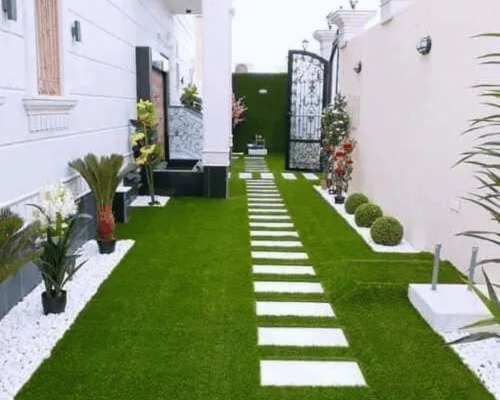
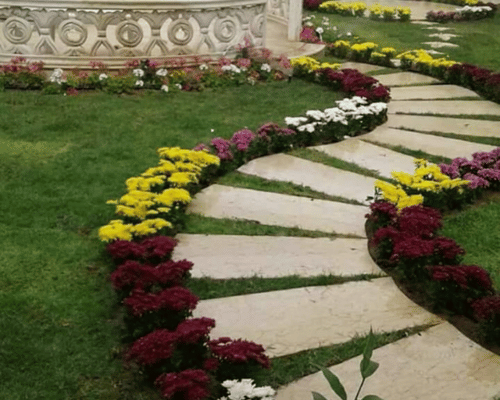
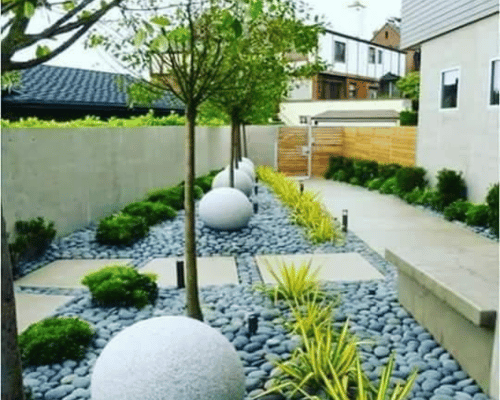
- تصميم المساحات: تحديد أماكن النباتات، الأشجار، والممرات لضمان الانسجام بين العناصر.
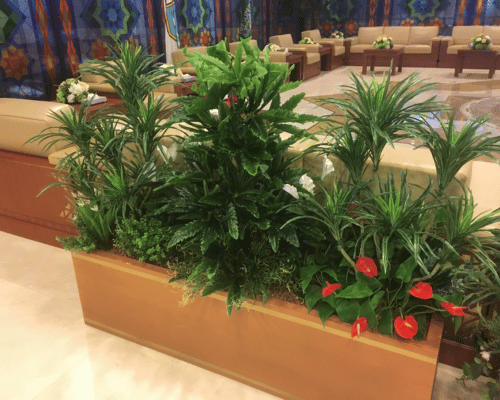
- اختيار النباتات: وفقًا للمناخ، التربة، والهدف من الحديقة (زينة، ظل، خصوصية، إلخ).
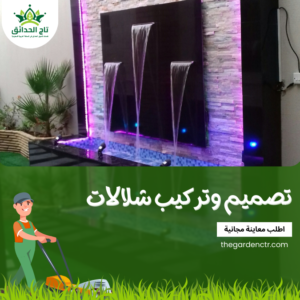
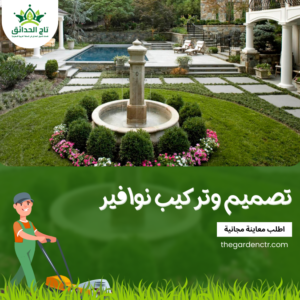
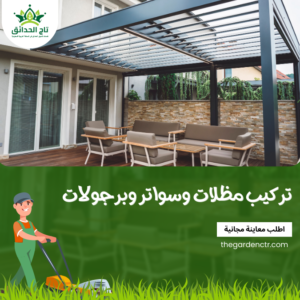
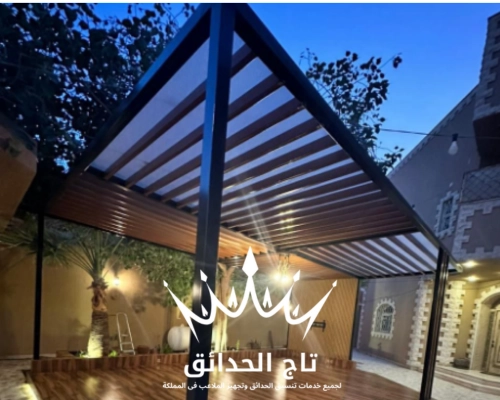
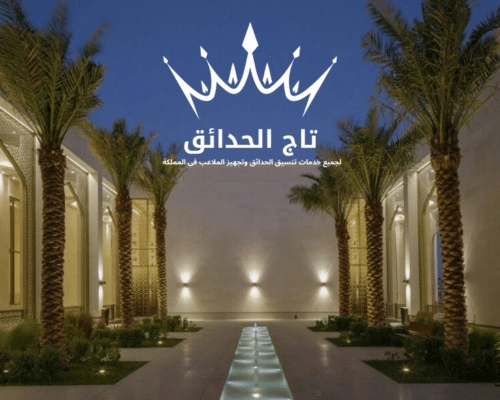
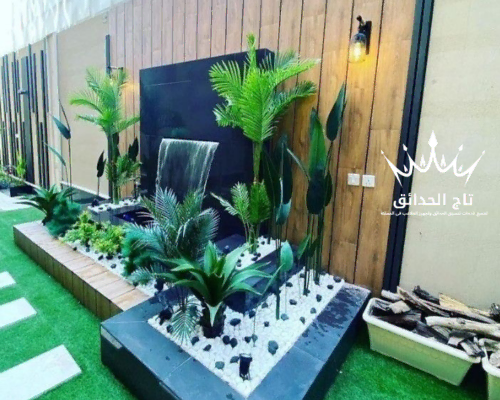
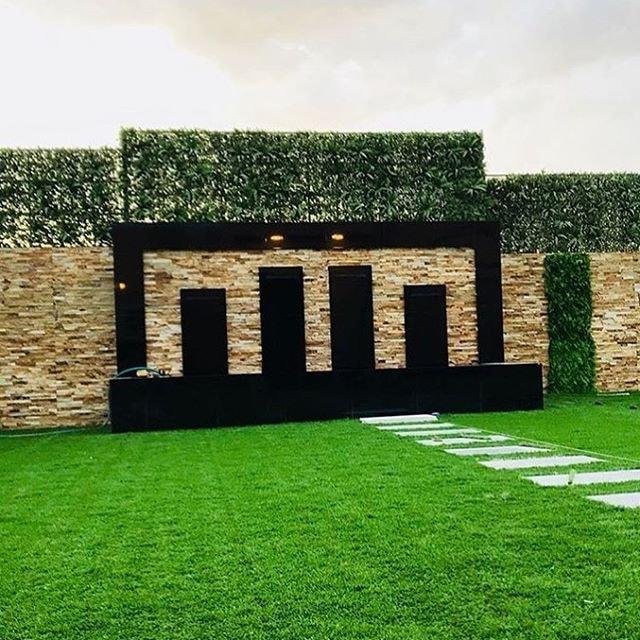
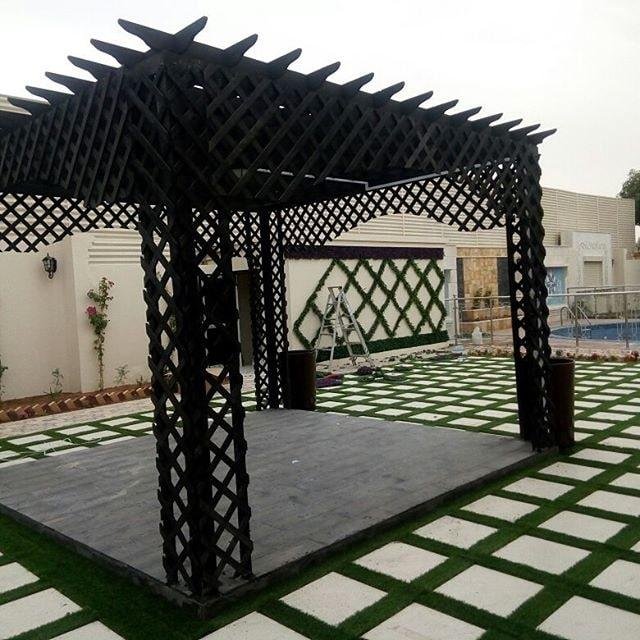
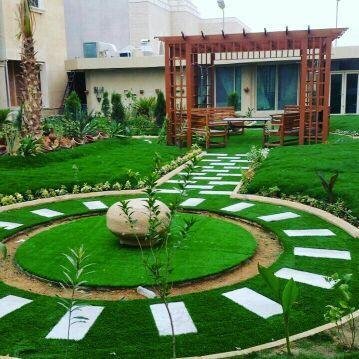
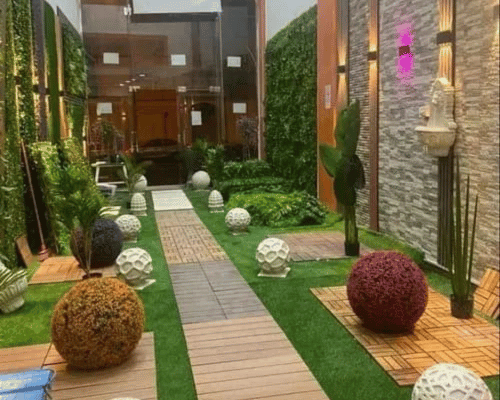
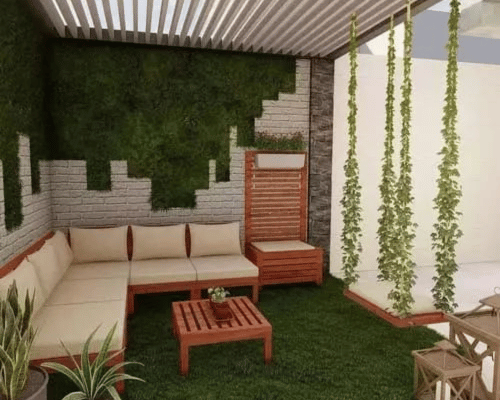
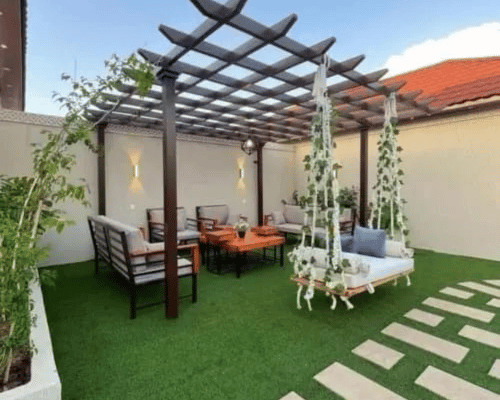
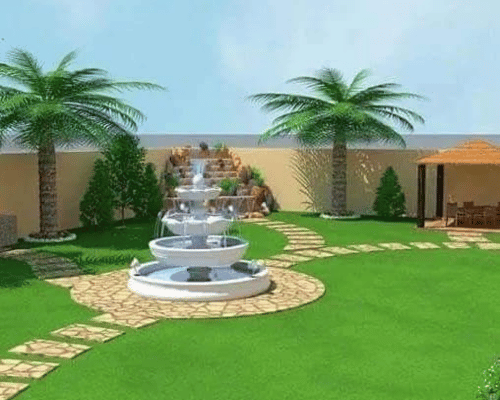
- إضافة الديكورات: مثل النوافير، الشلالات، البرجولات، والممرات الحجرية.
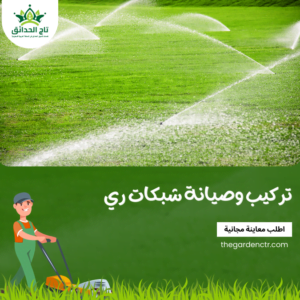
- أنظمة الري: تركيب أنظمة ري حديثة مثل التنقيط أو الرش للحفاظ على استدامة النباتات.
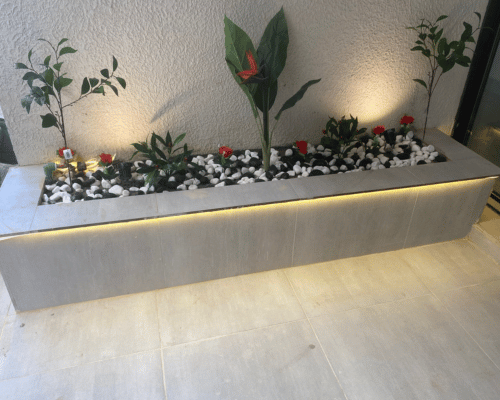
- الإضاءة الخارجية: لإبراز جمال الحديقة ليلاً وإضافة لمسات جمالية وعملية.
أهداف تنسيق الحدائق:
تحسين المظهر الجمالي للمساحات الخارجية.
خلق بيئة طبيعية تساعد على الاسترخاء.
زيادة قيمة العقار وجاذبيته.
توفير ظل وحماية من الحرارة العالية.
في الرياض، تعتبر شركات تنسيق الحدائق مثل تاج الحدائق الخيار المثالي لتحويل أي مساحة خارجية إلى واحة خضراء تناسب الذوق الشخصي والاحتياجات العملية
تنسيق حدائق هو فن تصميم المساحات الخارجية باستخدام النباتات، الأشجار، والمسطحات الخضراء بطريقة منظمة وجمالية. يهدف إلى خلق بيئة طبيعية مريحة وجذابة سواء في المنازل، الفلل، أو الأماكن العامة.
أنواع الحدائق
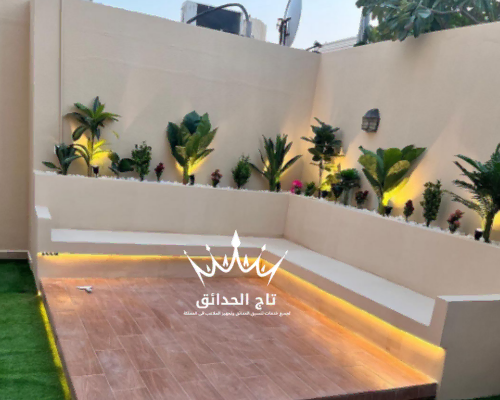
- الحدائق المنزلية
- صغيرة أو متوسطة الحجم داخل الفلل أو المنازل.
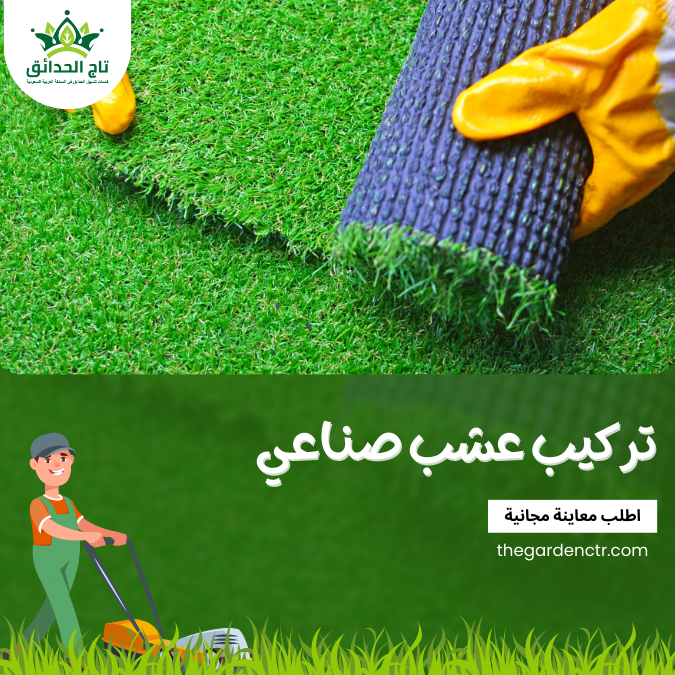
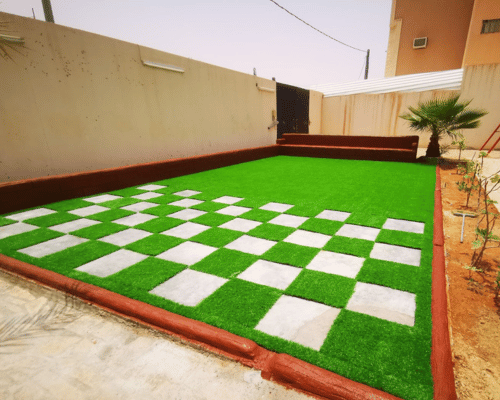
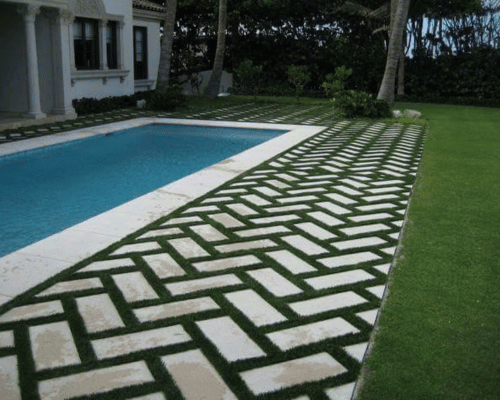
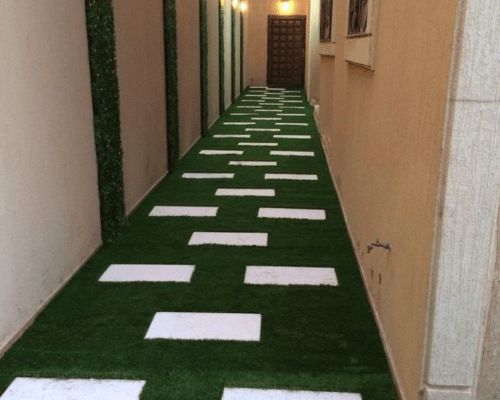
- تحتوي على نباتات زينة، نجيل صناعي أو طبيعي، ونوافير صغيرة.
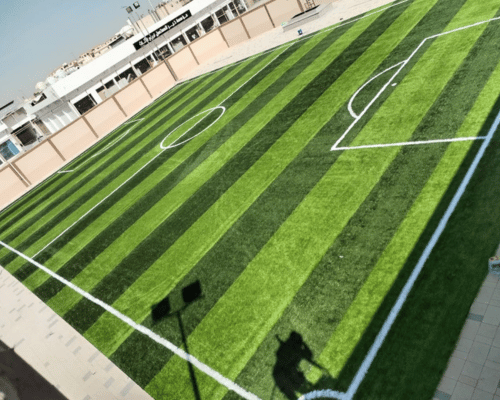
- الحدائق العامة
- تتبع للبلديات والأمانات، مثل حدائق الرياض العامة.
- تحتوي على مساحات خضراء، ممشى، أماكن جلوس، ومناطق لعب للأطفال.
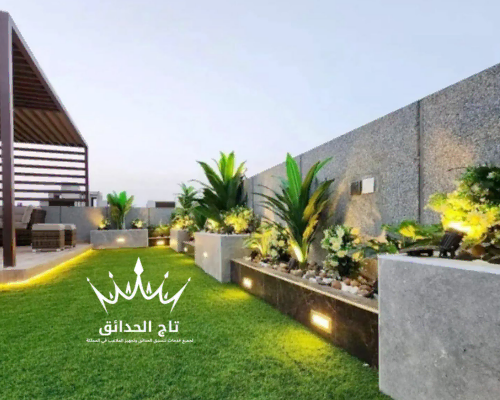
- حدائق الأسطح
- تُنشأ فوق أسطح المنازل أو المباني، وتكون صغيرة لكنها توفر مساحة خضراء جميلة.
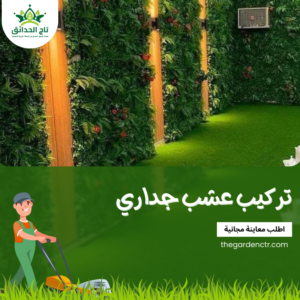
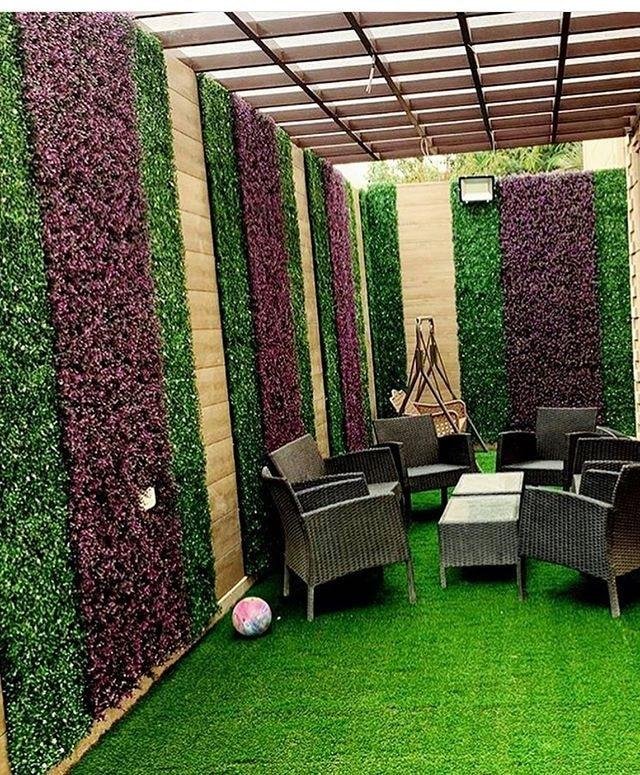
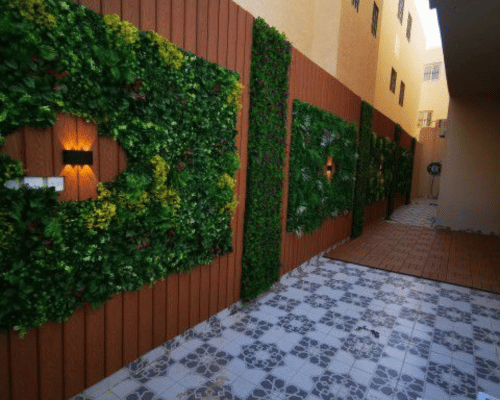
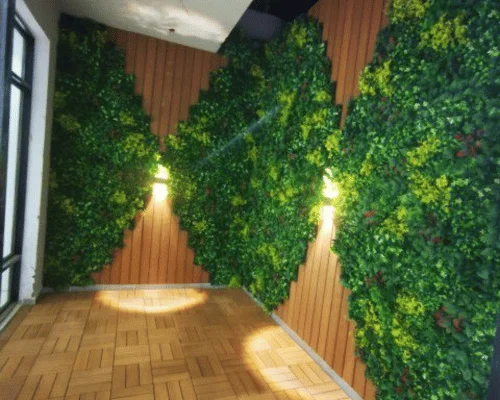
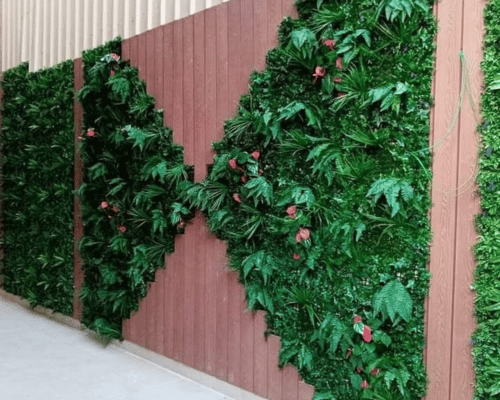
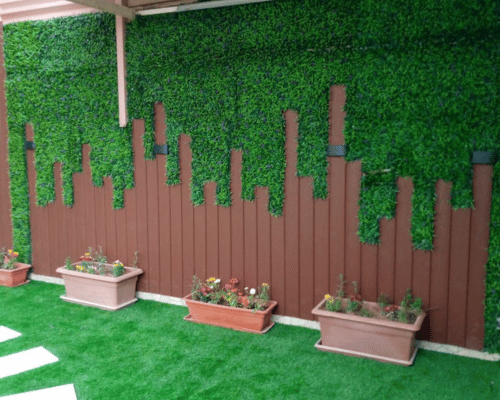
- حدائق عمودية
- تعتمد على زراعة النباتات على الجدران، وتستخدم كثيرًا في الأماكن ذات المساحات الصغيرة.
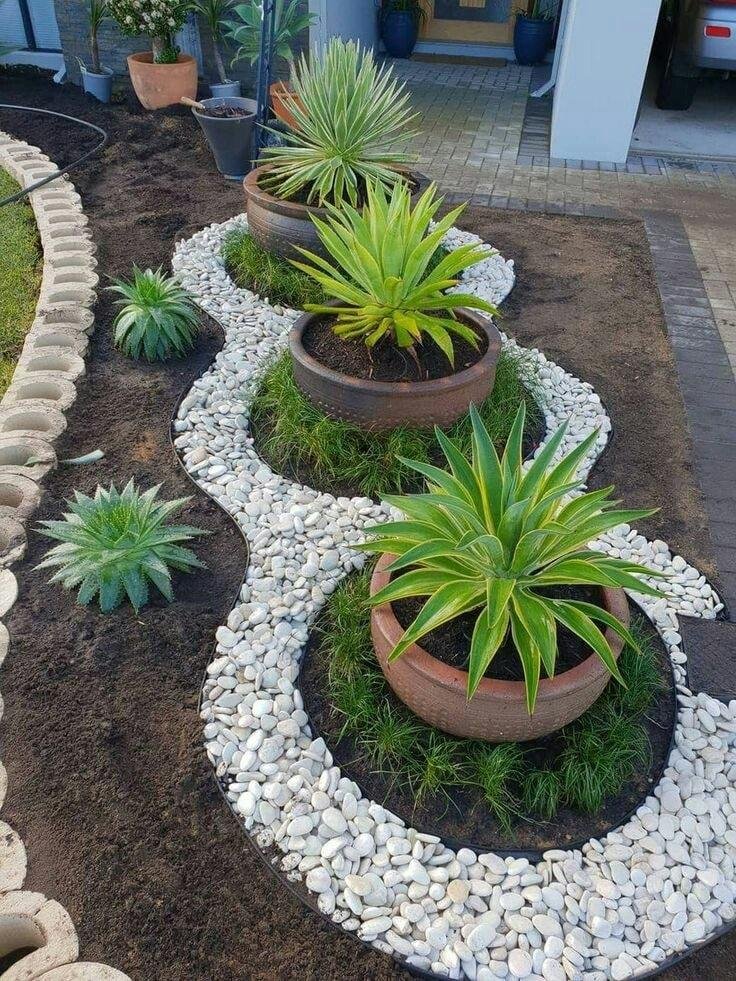
- الحدائق الصخرية
- تعتمد على الصخور والنباتات المقاومة للجفاف، وتناسب المناخات الحارة مثل الرياض
تكلفة تنسيق الحدائق في الرياض
تعتمد على:
المساحة: كلما كانت الحديقة أكبر، زادت التكلفة.
نوع النباتات: النباتات النادرة أو المستوردة تزيد التكلفة.
الإضافات: مثل النوافير، البرجولات، والإضاءة الخارجية.
نظام الري: تكلفة تركيب أنظمة الري الحديثة تختلف حسب الحجم والآلية.